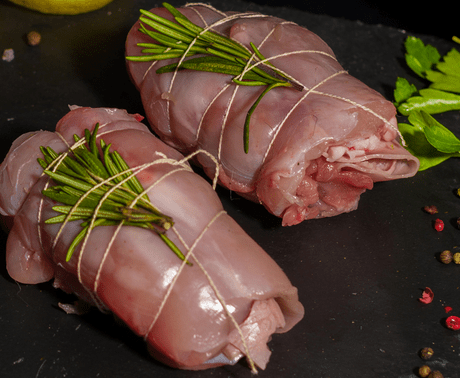
Gli arrostini di coniglio da me preparati, composti da diverse parti di carne del coniglio solo sale pepe dato che la carne di coniglio e molto delicata e si sposera con il sapore delle olive taggiasche e il vino rosato.
Involtini di Coniglio alla Genovese rabbit mini rost I prepared, are made up of different parts of rabbit meat only salt pepper as the rabbit meat is very delicate and goes well with the flavour of Taggiasche olives and rosé wine.Involtini di coniglio alla genovese
The rabbit mini rost I prepared, is made up of different parts of rabbit meat only salt pepper as the rabbit meat is very delicate and goes well with the flavour of Taggiasche olives and rosé wine.
This extraordinary fruit represents one of the excellences of the western Liguria region.
Its history is ancient; in fact, it is said that it was the Benedictine monks who spread the cultivation of this olive tree between the end of the 17th and the beginning of the 18th century. They settled in the then-small village of Taggia, from which this fruit still takes its name today. Thanks to the art of grafting, the monks were able to implant scions brought from their cultivations in Cassano into the native olive tree, thus giving birth to a new variety: the Taggiasca olive.
Today, the cultivation area of this plant ranges from Albenga to the Principality of Monaco, penetrating the hinterland of Imperia up to an altitude of 700 metres. The climatic characteristics of the western valleys combined with the particular geomorphologic features of the area have allowed this fruit to take on those characteristics that have made it highly prized.
The Taggiasca olives have a flesh with a delicate flavour that combines with the salty and slightly bitter taste of the skin for a unique and inimitable flavour.
They can be easily distinguished from other olives by size, followed by the colour of the fruit and the type of skin. The Taggiasca olive, unlike the tree on which it grows, which can reach a height of 15 metres, is very small, dark in colour, almost black, and has a wrinkled skin.
This apparently uninviting appearance hides unique and unmistakable characteristics, dedicated only to those in search of typical flavours. The delicate taste of the pulp, typical of Ligurian extra virgin olive oil, combines with the salty and slightly bitter flavour of the peel, giving this fruit a unique and inimitable taste.
The value of this product is also linked to its production; from one hectare of olive grove planted with taggiasche olives, about twenty quintals of olives are produced, compared to an average of eighty quintals for other qualities.
Another typical characteristic is the harvesting method, known as ‘bacchiatura’; the olive branches are beaten with a bacchio (a long, large stick, similar to a pole) that causes the fruit to fall onto large net mats, previously laid on the ground. Once picked, peeled and measured, the Taggiasca olives are decanted into jute sacks and transferred to the mills. In all these processing stages, the human hand is the only tool used. Once at the mill, the fruits have a yield of about 24%, not bad considering the size of these olives.
The pressing of pure Taggiasca olives gives rise to the Ligurian Riviera single cultivar PDO extra virgin olive oil that further enhances the already excellent qualities of the olive itself.
El conejo arrostini que preparé, compuesta por distintas partes de carne de conejo sólo sal pimienta porque la carne de conejo es muy delicada y va bien con el sabor de las aceitunas taggiasche y vino rosado.
Este extraordinario fruto representa una de las excelencias de la región de Liguria occidental.
Su historia es antigua; de hecho, se dice que fueron los monjes benedictinos quienes difundieron el cultivo de este olivo entre finales del siglo XVII y principios del XVIII. Se instalaron en el entonces pequeño pueblo de Taggia, del que este fruto sigue tomando hoy su nombre. Gracias al arte del injerto, los monjes pudieron implantar en el olivo autóctono vástagos traídos de sus cultivos en Cassano, dando así origen a una nueva variedad: la aceituna taggiasca.
Hoy en día, la zona de cultivo de esta planta se extiende desde Albenga hasta el Principado de Mónaco, penetrando en el interior de Imperia hasta una altitud de 700 metros. Las características climáticas de los valles occidentales, unidas a las particularidades geomorfológicas de la zona, han permitido que este fruto adquiera las características que lo han hecho muy apreciado.
Las aceitunas Taggiasca tienen una pulpa de sabor delicado que se combina con el gusto salado y ligeramente amargo de la piel para dar lugar a un sabor único e inimitable.
Se distinguen fácilmente de las demás aceitunas por el tamaño, seguido del color del fruto y el tipo de piel. La aceituna Taggiasca, a diferencia del árbol en el que crece, que puede alcanzar los 15 metros de altura, es muy pequeña, de color oscuro, casi negro, y piel arrugada.
Esta apariencia aparentemente poco atractiva esconde características únicas e inconfundibles, dedicadas únicamente a quienes buscan sabores típicos. El delicado sabor de la pulpa, típico del aceite de oliva virgen extra de Liguria, se combina con el sabor salado y ligeramente amargo de la cáscara, confiriendo a este fruto un gusto único e inimitable.
El valor de este producto también está ligado a su producción; de una hectárea de olivar plantado con aceitunas taggiasche se obtienen unos veinte quintales de aceitunas, frente a una media de ochenta quintales para otras calidades.
Otra característica típica es el método de recolección, conocido como “bacchiatura”; las ramas de los olivos se golpean con un bacchio (un palo largo y grande, parecido a una pértiga) que hace que los frutos caigan sobre grandes esteras de red, previamente colocadas en el suelo. Una vez recogidas, peladas y medidas, las aceitunas de Taggiasca se decantan en sacos de yute y se trasladan a los molinos. En todas estas fases de elaboración, la mano del hombre es la única herramienta utilizada. Una vez en el molino, los frutos tienen un rendimiento aproximado del 24%, nada mal teniendo en cuenta el tamaño de estas aceitunas.
El prensado de las aceitunas Taggiasca puras da lugar al aceite de oliva virgen extra DOP monocultivo Riviera Ligure, que realza aún más las ya excelentes cualidades de la propia aceituna.
 ENIGMA -TV